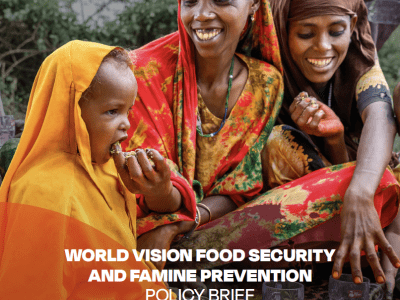
opinion / February 24, 2026
Latin America’s Water Paradox: How Long Can Abundance Exclude Millions?
Why Latin America must confront water inequality with strategic urgency and coordinated leadership.
video / March 10, 2026
A Journey of Hope: Transforming the lives of youth with disabilities in Albania
Regional Leader Eleanor Monbiot highlights the impact of the World Vision–Kia partnership in albania, helping children and youth with disabilities thrive.
article / February 24, 2026
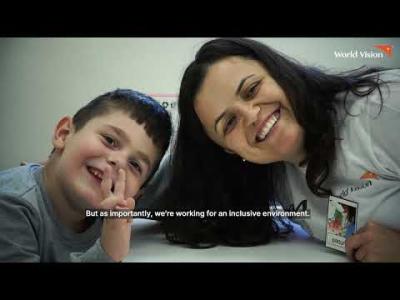
They lived in the shadows. Today, they stand in the light.
In Badaguichiri, Niger, children living with disabilities endure deep isolation due to the absence of mobility aids, adapted infrastructure, and support. Many—especially girls—grow up confined to their homes, excluded from school, play, and community life, and denied the dignified childhood they deserve.
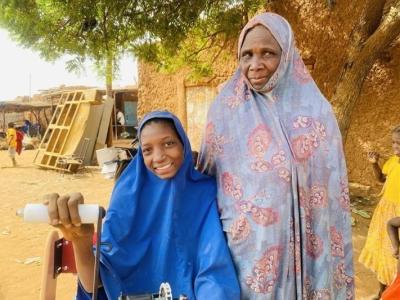
article / January 26, 2026
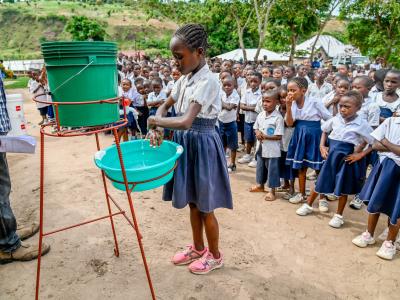
DR Congo - Kalemie: Handwashing, the First Line of Health Protection at School
World Vision improves hygiene in Kalemie schools with handwashing stations, latrines, and behaviour change, helping pupils stay healthy amid recurrent cholera.
article / March 4, 2026
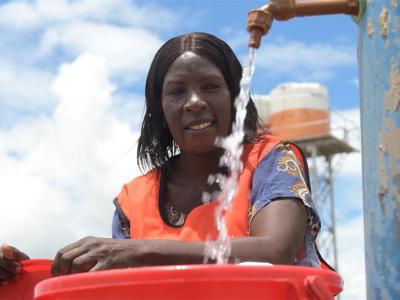
Clean Water, Safe Births, and Healthier Futures: Transforming Lives in Shamputa and Katukwe
In the rural communities of Kapiri Mposhi, access to clean water and quality maternal health services has long been a daily struggle. For expectant mothers, health workers, learners, and families, limited Water, Sanitation and Hygiene (WASH) infrastructure meant long walks to unsafe water sources, heightened risks of infection, and added pressure on already stretched health facilities.
publication / March 9, 2026
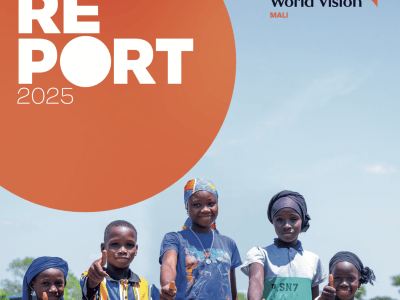
World Vision Mali 2025 Annual Report
World Vision Mali’s 2025 Annual Report highlights key achievements improving children’s lives through education, WASH, nutrition and humanitarian assistance.
publication / March 9, 2026
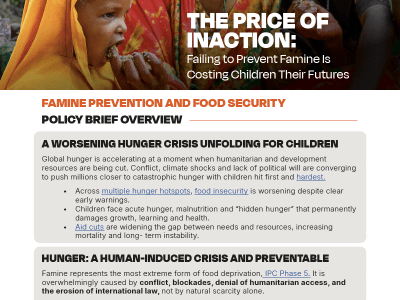
Policy Overview | Famine Prevention & Food Security
Famine is not a natural disaster and can be prevented. Across the world’s hunger hotspots, early warnings are clear, yet governments continue to act too late – or not at all. Conflict, blockades, and the denial of humanitarian access, not food scarcity, are driving a deepening hunger crisis, with children suffering first and longest. As aid budgets are cut, the gap between need and response is widening fast. This is a false economy: preventing famine costs far less than responding once lives are already lost. World Vision warns famine can be predicted and prevented – but only if leaders act early, protect civilians, and put children at the centre of hunger prevention.
press release / February 10, 2026
World Vision Kenya Launches 2026–2030 National Strategy and WASH Business Plan to Transform the Lives of 13.3 Million Children Across 33 Counties
World Vision Kenya’s 2026–2030 strategy aims to reach 13.3 million children across 33 counties and expand safe water access for over 1.2 million people through inclusive development.

opinion / March 6, 2026
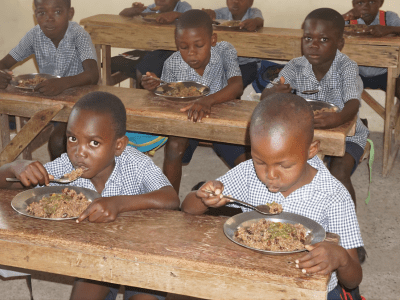
Why School Meals Accountability Must Define the Future of Education and Social Protection
Why School Meals Accountability Must Define the Future of Education and Social Protection
publication / March 2, 2026
Policy Brief | Famine Prevention & Food Security
Policy Brief | Famine Prevention & Food Security